القائمة الرئيسية
بحث
خدمات

الملاك

المستأجرون

الوسطاء

الموردون


.jpeg)
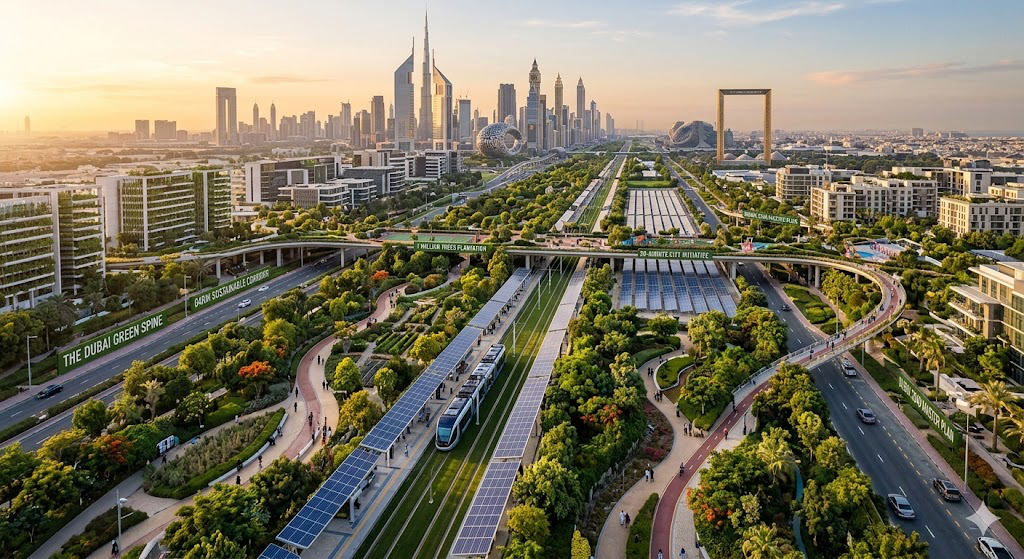
While Dubai's skyline is expanding with new off-plan developments, a subtle change is taking place at ground level. In 2026, seasoned investors are shifting their focus from “the next big tower” to Dubai’s lush, established path to original master communities.
We have officially entered a period of “secondary market renaissance”. As off-plan prices rise to unprecedented levels and delivery schedules stretch further into the future, the smartest investments in the city are being made in "old" villas located in prime areas that offer advantages that new builds cannot match: exceptional plot sizes and established privacy.
In the quest to optimize space in 2026, many new developments have significantly reduced the size of individual plots. This is where established neighborhoods like The Springs, Jumeirah Islands and Arabian Ranches maintain their “unfair advantage”.
Check this: Dubai 2040 Urban Master Plan - Enhancing Existing Urban Areas
In 2026, “luxury” is no longer just about aesthetics; It's about efficiency. Investors are finding that sustainability retrofitting is the fastest way to increase the resale value of a property by 15-20%.
Check this: Dubai Municipality - Green Building Regulations & Specifications
The basic structure of old Dubai villas is remarkably strong, yet the interiors often look dated. The renewal trend for 2026 emphasizes “tech-invisibility”.
Check this: Dubai Land Department - Building Classification Survey
Check this: KNX - International Standard for Home and Building Control
If you're considering buying and flipping a property in 2026, these locations offer the most favorable "renovation-to-revenue" ratios:
The most prosperous investors in 2026 are not postponing their actions for a handover date three years in the future. Instead, they are selecting "gems" from the past and enhancing them with future technologies. By combining ample secondary market opportunities with 2026 green building standards, you are not just renovating a home – you are creating a valuable asset.
.avif)
.avif)
.avif)
.avif)
.avif)
.avif)
.avif)
.avif)
.avif)
.avif)
.avif)
.avif)

.avif)
.avif)
.avif)
.avif)

.avif)
.avif)

تم نقل إدارة العقارات الاحترافية في دبي إلى مستوى جديد من قبل BSO، مما يوفر لأصحاب العقارات في الإمارات العربية المتحدة فرصًا رائعة.